No Products in the Cart
Avail 10% Off, Use Code - ADVITYA10 + Get Extra 5% on Prepaid Orders

Lord Rama is one of the most revered deities in Hinduism and a timeless symbol of righteousness, duty, and ideal leadership. Worshipped as the seventh avatar of Lord Vishnu, his life and actions, immortalised in the epic Ramayana, continue to guide millions through moral, spiritual, and cultural values. From temples to homes adorned with Ram Darbar, and from god idols used in worship to elegant décor pieces, the presence of Lord Rama remains deeply woven into everyday life.
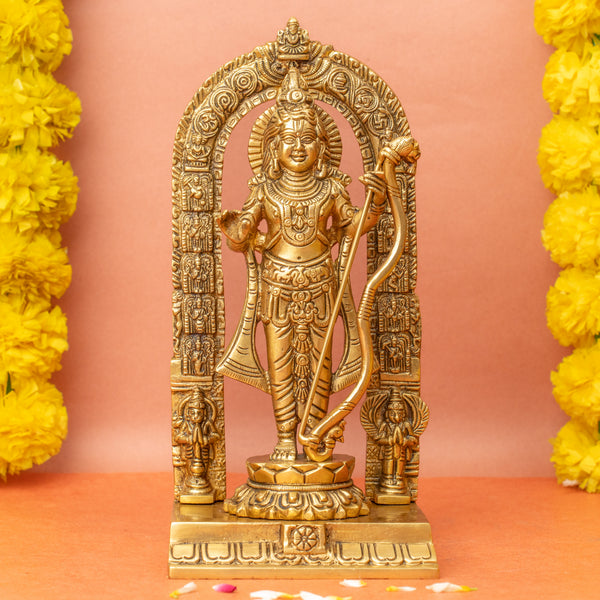
According to Hindu belief, Lord Rama was born in Ayodhya, in present-day Uttar Pradesh, as the eldest son of King Dasharatha and Queen Kaushalya of the Ikshvaku dynasty. His birth was divine in nature, as he incarnated on Earth to restore balance and uphold dharma (righteousness).
From a young age, Rama displayed exceptional virtues—obedience, humility, courage, and compassion. His life was not merely royal; it was exemplary. These qualities later became the foundation of Rama Rajya, an ideal form of governance that symbolises justice, equality, and moral integrity.
In Hindu cosmology, Lord Vishnu incarnates whenever evil overpowers good. Lord Rama is considered the seventh of Vishnu’s ten principal avatars, descending to eliminate injustice and protect righteousness.
Unlike some avatars who display overt divine power, Rama’s divinity is reflected in his human conduct. He chose to live by ethical principles even when faced with immense personal hardship. This is what makes him relatable and eternally relevant - an ideal son, husband, king, and human being.
The worship of Lord Rama through god idols or depictions of Ram Darbar reflects devotion not just to a deity, but to the values he represents.
The Ramayana narrates the journey of Lord Rama, focusing on his exile, trials, and ultimate victory of good over evil. Exiled for fourteen years due to palace intrigue, Rama accepted his fate without resentment, showcasing his commitment to duty.
During this exile, his wife Sita was abducted by the demon king Ravana, leading to a great battle between righteousness and tyranny. With the support of Lakshmana and the unwavering devotion of Lord Hanuman, Rama defeated Ravana and restored dharma.
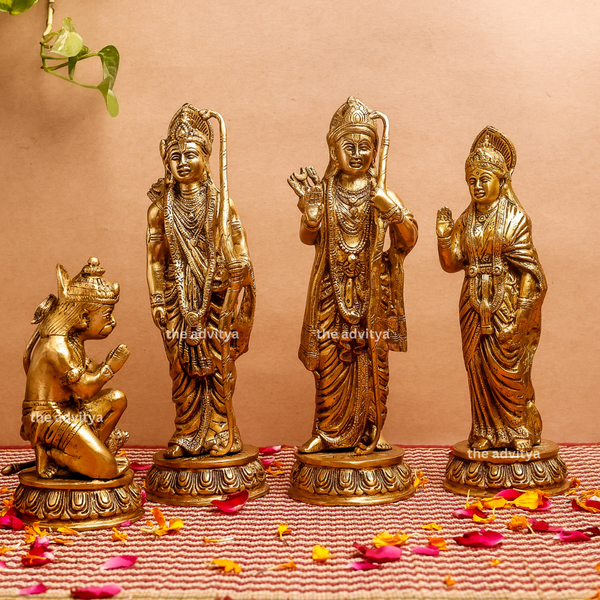
After returning to Ayodhya, Rama’s coronation marked the beginning of Rama Rajya, an era remembered as the epitome of just and compassionate rule. This divine court, often depicted as Ram Darbar, includes Lord Rama, Goddess Sita, Lakshmana, and Hanuman, symbolising harmony, loyalty, devotion, and ideal leadership.
Ram Darbar is more than a religious representation; it is a spiritual philosophy. It signifies family unity, ethical governance, devotion, and balance. For this reason, Ram Darbar idols are commonly placed in homes and workplaces, believed to bring peace, prosperity, and positive energy.
Today, finely crafted Ram Darbar sculptures also serve as an antique showpiece for the living room, blending spirituality with aesthetic elegance. Their intricate designs and cultural depth make them meaningful décor elements that reflect India’s rich heritage.
The influence of Lord Rama extends beyond worship into modern lifestyles. Beautifully designed god idols and Ram Darbar statues are increasingly chosen as thoughtful corporate gift hampers, especially during festive occasions like Ram Navami or Diwali. Such gifts symbolise goodwill, ethical values, and blessings, making them ideal for professional and personal relationships alike.
Whether placed in a sacred space, displayed as an antique showpiece, or gifted as a token of respect, representations of Lord Rama continue to inspire devotion and mindfulness in everyday life.
Lord Rama is not only a central figure in Hindu mythology but also a moral compass for humanity. His origin as a divine avatar, his exemplary role in the Ramayana, and the enduring symbolism of Ram Darbar make him eternally relevant. Through worship, art, décor, and gifting, Lord Rama’s ideals of truth, justice, and compassion continue to guide generations, reminding us that true greatness lies in righteous living.
