


Understanding the deeper meaning, Vastu significance, and spiritual power of each form
When it comes to bringing home a Hanuman idol, most devotees ask a question that is far older than modern Vastu or décor trends: Is a standing Hanuman more powerful, or is the sitting Hanuman murti more auspicious?
Just as Panchamukhi Hanuman carries layered symbolism through his five-faced form, the posture of Hanuman, whether standing in warrior readiness or seated in serene devotion, reveals profound aspects of his divine energy. Both forms have been worshipped for centuries, yet each awakens a different dimension of strength within the devotee’s home.
This blog explores the significance, Vastu meaning, and spiritual essence of standing vs. sitting Hanuman statues, helping you understand which one aligns best with your intentions.
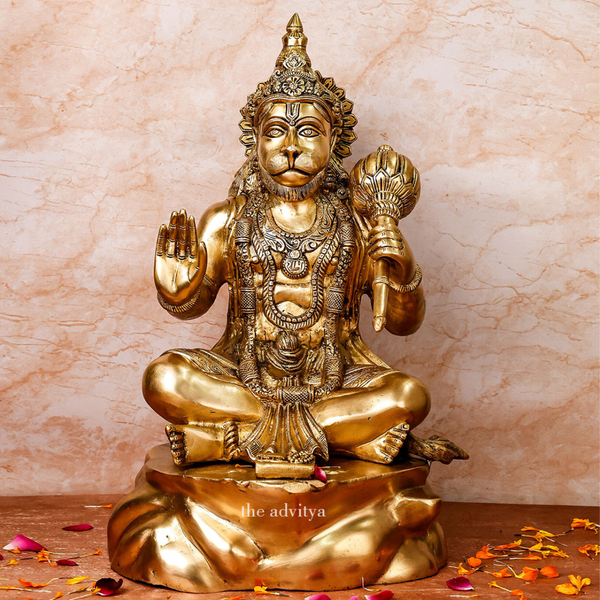
The Meaning of a Standing Hanuman Idol
A standing Hanuman murti represents the God in his Veer or warrior aspect - alert, dynamic, and ready to protect.
1. Symbol of Protection and Fearlessness
In many texts and folk traditions, Hanuman in a standing stance is seen guarding devotees from negativity, evil influences, and unseen energies. His upright posture, often with the Gada firmly in hand, symbolizes vigilance.
2. Active Energy, Movement, and Resolve
Just as Hanuman leapt across the ocean to Lanka, a standing Hanuman statue radiates unstoppable motion. It is ideal for homes seeking courage, action, or a breakthrough.
3. Ideal for Entrances and Vastu Corrections
Like the five-faced form guarding all directions, standing Hanuman protects thresholds. Vastu often recommends placing him at:
-
the entrance
-
south-facing walls
-
areas needing energetic cleansing
This posture acts like a spiritual shield - steadfast, alert, and commanding.
The Meaning of a Sitting Hanuman Idol
A sitting Hanuman idol reflects his meditative, composed, and devotional side - Hanuman as Bhakta-Shiromani, the greatest devotee.
1. Embodiment of Devotion, Calm, and Surrender
In this form, Hanuman sits with folded hands or in a blessing posture, radiating peace. This idol invites stability, emotional balance, and spiritual grounding.
2. Perfect for Pooja Rooms and Meditation Corners
Where the standing idol awakens action, the sitting idol deepens introspection. It creates a space of quiet strength, ideal for chanting, prayer, and inner healing.
3. Symbol of Wisdom, Patience, and Discipline
Just as the Panchamukhi form embodies multiple divine qualities, the sitting posture symbolizes the balance of power with humility.
Standing vs. Sitting Hanuman Murti – What Vastu Says
Vastu does not declare one form “better” than the other; instead, it emphasizes intention and placement.
Standing Hanuman is best for:
✔ Protection
✔ Removing obstacles
✔ Energizing a stagnant space
✔ Guarding the entrance
✔ Quick action and immediate relief
Sitting Hanuman is best for:
✔ Peace and harmony
✔ Spiritual practice
✔ Inner strength and emotional balance
✔ Family unity
✔ Calm, stable home energy
Just as the five faces of Panchamukhi Hanuman each serve a purpose, these two postures carry distinct spiritual functions.
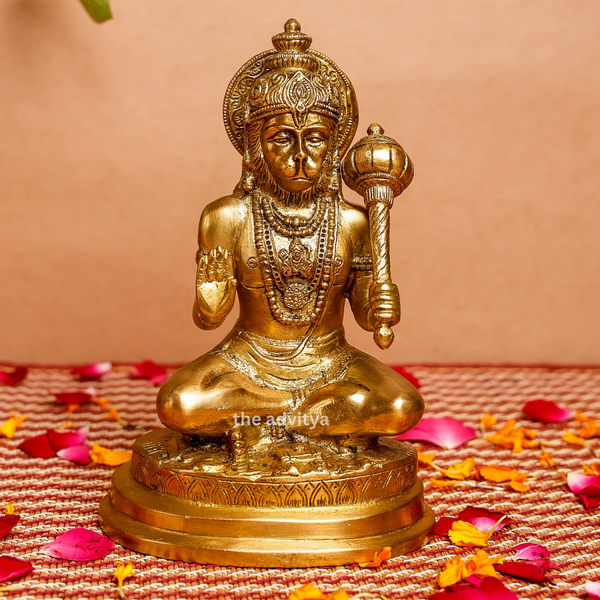
Which Hanuman Statue Should You Choose for Your Home?
The answer depends on what you seek:
Choose a Standing Hanuman Idol if you want:
-
Protection from negativity
-
Courage during challenges
-
Strong Vastu correction
-
A boost of confidence and determination
-
A guardian-like presence in the home
Choose a Sitting Hanuman Murti if you want:
-
Peaceful energy
-
A meditative environment
-
Devotion-centered rituals
-
Emotional healing
-
Grounded, stable vibrations in your space
Neither is “more powerful”, they are powerful in different ways, just as Hanuman murti is both the warrior who conquered Lanka and the humble devotee who sat at Rama’s feet.
Why the Posture Matters
For many, choosing a Hanuman idol is not about home décor alone; it is about welcoming a protector, guide, and healer into the home.
-
A standing Hanuman is like a vigilant guardian.
-
A sitting Hanuman is like a wise teacher.
Both serve the devotee, just as Hanuman served Rama, with unwavering loyalty and boundless strength.
So, which Hanuman statue is right for your home?
The one that aligns with your heart’s intention.
If you seek strength, place the standing form.
If you seek serenity, choose the sitting form.
If you seek both, you may keep them in different parts of the home, because Hanuman’s grace cannot be limited to a single posture.
Like the Panchamukhi form that watches over every direction, Hanuman in any form remains the eternal protector, the healer, and the embodiment of divine devotion.

